

Renovating a home in Singapore has never been a small decision. Heading into 2026, it’s becoming even more important for homeowners to understand what they are paying for, why prices vary so widely, and how to plan realistically. Whether you’re collecting the keys to a new BTO, upgrading a resale flat, or renovating a private property, renovation costs are shaped by far more than just size.
In 2026, homeowners can expect renovation costs to remain elevated compared to pre-pandemic levels. Labour availability, material prices, longer project timelines, and higher homeowner expectations all contribute to a new “normal” for renovation budgets. This guide breaks down what homeowners can realistically expect to spend in 2026 based on flat type, while also addressing the common misconceptions that cause budget overruns.
Rather than focusing on sales pitches or unrealistic figures, this article aims to help homeowners make informed decisions before engaging an interior designer or contractor.
Why Renovation Costs in 2026 Look Different From Before
Many homeowners still benchmark renovation costs based on what friends or family paid years ago. However, renovation pricing in 2026 reflects a very different landscape. Labour costs have increased due to tighter manpower supply, while raw materials especially carpentry boards, laminates, metal fittings, and stone surfaces remain volatile in pricing.
Beyond inflation, homeowners are also renovating differently. Open kitchens, integrated storage, custom carpentry, and smarter layouts are now common expectations rather than premium upgrades. This means that even a “simple” renovation today often includes more work than it did five years ago.
The biggest cost driver, however, remains scope. The more structural changes, built-ins, and wet works involved, the higher the final cost, regardless of flat size.
Renovation Cost for BTO Flats in 2026
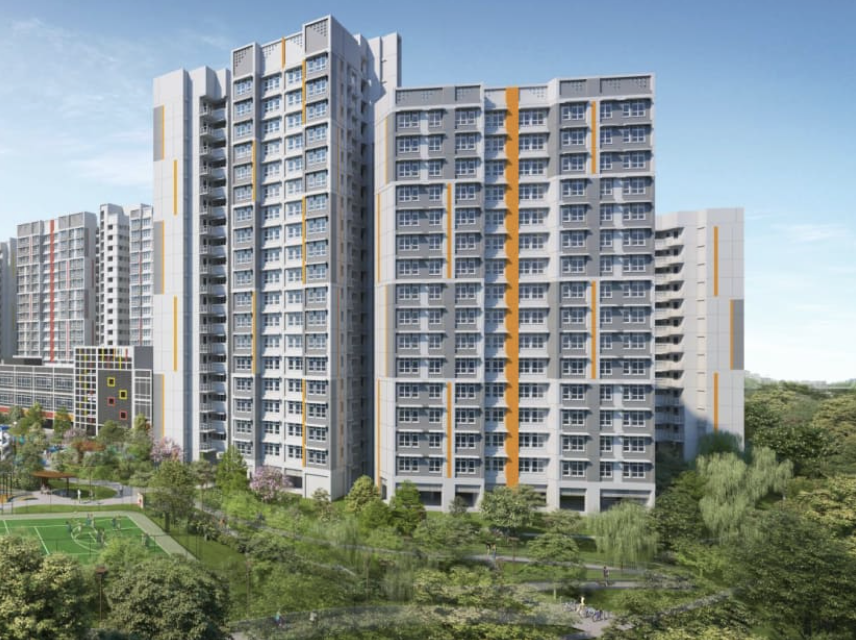
BTO flats in Singapore
For new BTO homeowners, renovation costs are generally lower than resale properties because the unit is brand new. There is no need for hacking, major rectification, or rewiring. However, this does not mean BTO renovations are cheap.
In 2026, most BTO renovations focus heavily on carpentry, storage planning, lighting, and space optimisation. Since BTO layouts are increasingly compact, homeowners often invest in custom solutions to maximise every square metre.
A typical BTO renovation in 2026 may range averagely from $30,000 to $60,000, depending on the extent of carpentry and finishes chosen. Homes with minimal built-ins and standard fittings sit at the lower end, while those with extensive wardrobes, kitchen systems, feature walls, and customised storage trend higher.
One common pitfall for BTO homeowners is underestimating costs because “everything is new.” In reality, almost all functional elements; wardrobes, kitchen cabinets, shoe storage, study areas are not included by default and must be budgeted for carefully.
Renovation Cost for Resale HDB Flats in 2026
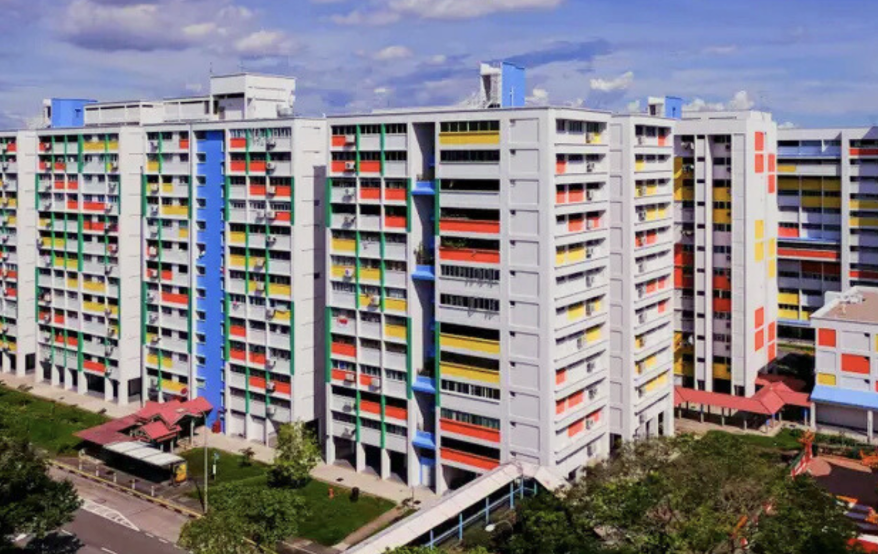
HDB flats in Singapore
Resale flats typically require more work, making them one of the most expensive categories to renovate relative to size. In 2026, resale renovations remain costly due to hacking, disposal, reinstatement, and compliance requirements.
Most resale renovations involve removing existing flooring, demolishing old carpentry, rewiring electrical points, redoing plumbing, and correcting wear-and-tear issues. These invisible works often consume a significant portion of the budget before any aesthetic upgrades begin.
Homeowners renovating resale flats in 2026 can expect costs to range from $45,000 to $90,000 or more, depending on the flat’s condition and renovation scope. Older flats with dated layouts or severe defects may exceed this range.
A key reason resale renovations overrun budgets is poor upfront assessment. Many homeowners only discover issues such as uneven flooring, outdated piping, or non-compliant electrical works after renovation begins. This reinforces the importance of working with experienced, transparent professionals who can assess risks early.
Renovation Cost for Executive Apartments and Maisonettes
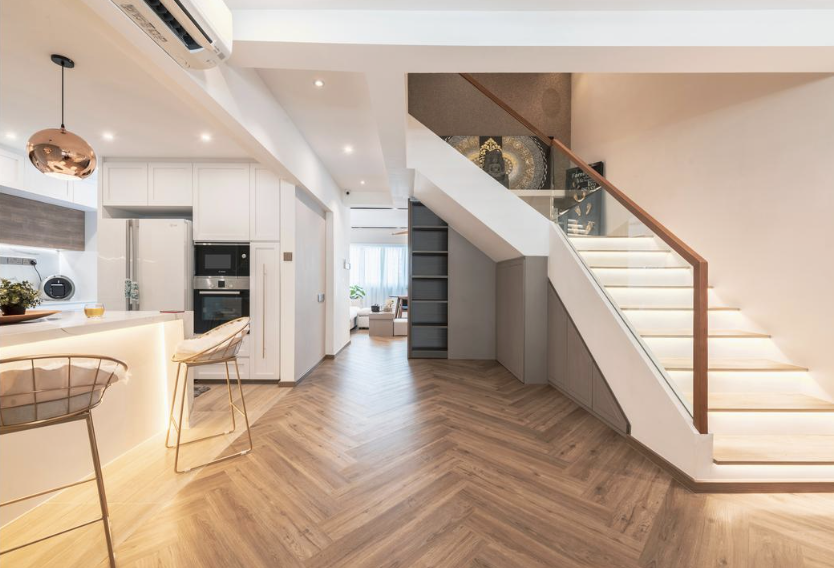
Maisonette interior in Singapore
Executive apartments and maisonettes fall into a unique category. While technically HDB flats, their size and layout often resemble private properties, which naturally pushes renovation costs higher.
In 2026, renovations for these larger homes typically range from $70,000 to over $120,000, especially if homeowners choose to reconfigure layouts, add stair features, or install extensive carpentry across multiple levels.
Because of their size, renovation costs scale quickly. More rooms mean more doors, more lighting points, more storage, and more labour hours. Without disciplined planning, it’s easy for budgets to spiral.
Homeowners renovating larger HDB units should pay close attention to scope control and prioritisation—deciding early which spaces deserve investment and which can remain simpler.
Renovation Cost for Condos in 2026
Condominium renovations in 2026 are influenced not just by design choices, but also by management rules. Restricted working hours, material delivery procedures, and protection requirements often add indirect costs to the renovation process.
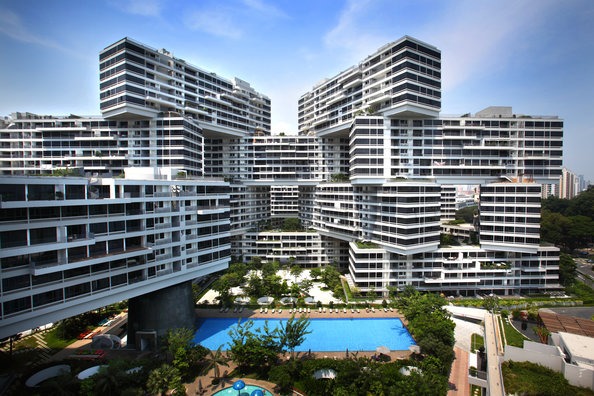
Interlace Condominium, Singapore
That said, condos generally require less hacking than resale HDBs, unless the unit is older. Most condo renovations focus on design upgrades, carpentry, flooring overlays, and bathroom refreshes.
Renovation costs for condos in 2026 typically range between $40,000 and $80,000, with premium projects going higher. Larger units or those undergoing layout changes naturally sit at the upper end of the range.
One misconception among condo owners is that private property automatically means higher quality finishes. In reality, budget discipline and material selection still matter greatly. Overspending often comes from feature upgrades that look impressive but add little long-term value.
Renovation Cost for Landed Homes in 2026
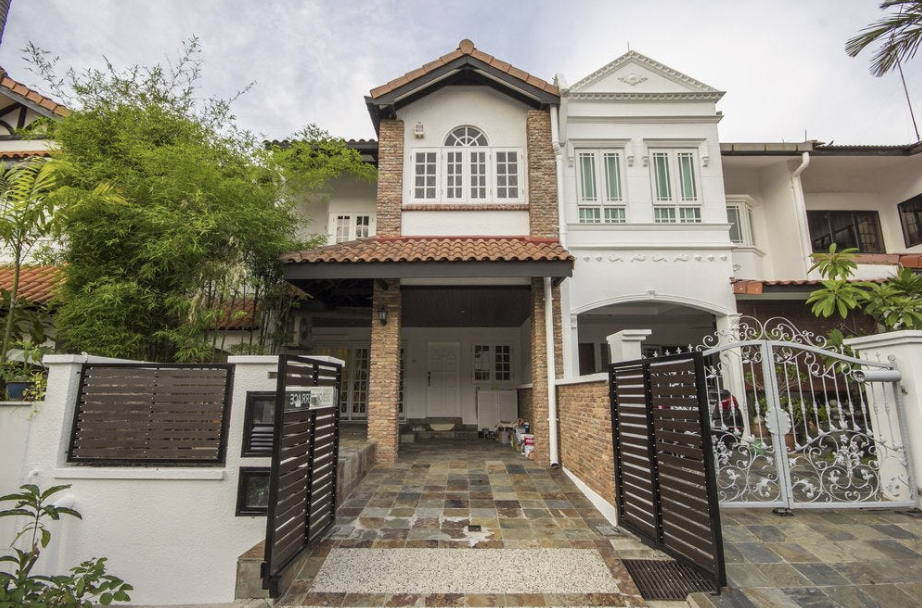
Residential landed house in Singapore
Landed property renovations are the most complex and expensive category. In 2026, landed home renovations can range from $150,000 to several hundred thousand dollars, depending on whether works are cosmetic or structural.
Unlike apartments, landed homes involve external works, waterproofing, roofing considerations, and often major layout changes. Coordination between contractors, engineers, and authorities is more intensive, increasing both time and cost.
For landed homeowners, renovation budgeting is less about finding the cheapest option and more about risk management. Poor workmanship or insufficient planning can result in extremely costly rectifications later on.
Why Renovation Quotes Vary So Much
One of the biggest frustrations homeowners face is receiving vastly different renovation quotes for seemingly similar work. In 2026, this gap remains a major trust issue in the renovation industry.
Quotes differ due to variations in material quality, carpentry construction methods, labour allocation, project management standards, and warranty coverage. Some quotes appear cheaper because they exclude essential works or rely on vague provisional sums.
Understanding how a quote is structured and what is included versus excluded is more important than focusing on the final number alone. Homeowners who choose based purely on price often encounter disputes, delays, or quality issues later.
How Homeowners Should Budget Smarter in 2026

Renovation budgeting in 2026 requires a mindset shift. Instead of asking “What’s the cheapest I can renovate?” homeowners should ask “What scope fits my budget without compromising essentials?”
A realistic budget includes contingency. Unexpected issues are common, especially for resale homes. Planning a buffer helps avoid stressful decisions midway through renovation.
Equally important is aligning expectations early. Clear communication with designers or contractors about lifestyle needs, usage habits, and long-term plans helps avoid unnecessary features that inflate costs without real benefit.
The Role of Education Before Renovation
One of the biggest reasons homeowners overspend is lack of education before engaging an interior designer. Many decisions such as layout changes, material selection, and carpentry planning are difficult to reverse once renovation begins.
Educational experiences that help homeowners understand renovation timelines, cost structures, and common pitfalls can significantly reduce mistakes. Knowing what questions to ask before signing a contract often saves far more money than negotiating discounts later.
Planning Ahead Matters More Than Ever
Renovation in 2026 is not just about aesthetics, it’s about planning, trust, and informed decision-making. Costs will continue to vary, but homeowners who understand the fundamentals are far better positioned to stay within budget and achieve a home that truly works for them.
Before committing to any renovation, take time to research, compare approaches, not just prices, and seek guidance where possible. The right preparation can make the difference between a stressful renovation and a confident, well-executed one.