

In recent years, Singapore homeowners have become increasingly adventurous with materials. Beyond traditional tiles, laminates, and stone, a new surface finish has started making its way into show flats, designer homes, and renovation conversations—microcement.
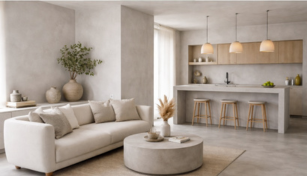
Microcement Interior
Once commonly associated with boutique hotels, cafés, and high-end commercial spaces, microcement is now emerging as a sought-after material for residential interiors in Singapore. By 2025 and 2026, it is expected to move firmly into the mainstream, especially among homeowners who value seamless design, modern aesthetics, and durability.
But what exactly is microcement, and why is it gaining so much attention?
What Is Microcement?
Microcement is a cement-based decorative coating applied in very thin layers. Unlike traditional cement screed, microcement is lightweight and can be applied directly over existing surfaces such as tiles, concrete, plaster, and even plywood.
What makes microcement unique is its seamless finish. There are no grout lines, joints, or tile breaks. This creates a continuous surface that feels modern, refined, and visually expansive—qualities that appeal strongly to Singapore homeowners working with compact spaces.
Despite its thin application, microcement is known for its strength and versatility, making it suitable for walls, floors, bathrooms, kitchens, and even built-in furniture.
Why Microcement Is Gaining Popularity
Singapore’s interior design trends are heavily influenced by practicality, space optimisation, and timeless aesthetics. Microcement fits naturally into this context.
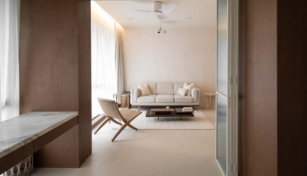
Modern Singapore‑style living room with microcement surfaces and natural lighting.
As homes become more design-conscious, homeowners are moving away from heavily patterned finishes and toward calm, neutral surfaces that age well. Microcement offers exactly that—subtle texture, muted tones, and a handcrafted feel that elevates a space without overwhelming it.
Additionally, many homeowners are looking for alternatives to tiles, particularly in bathrooms and kitchens. Microcement’s seamless nature reduces visual clutter and aligns with the growing preference for spa-like, hotel-inspired interiors.
Key Characteristics of Microcement
Seamless, joint-free finish that creates visual continuity
Thin application suitable for overlays on existing surfaces
Customisable textures and tones, from smooth to slightly raw
Water-resistant when properly sealed
Suitable for both vertical and horizontal surfaces
These characteristics make microcement especially attractive in smaller Singapore homes, where visual flow plays a major role in how spacious a home feels.
Common Areas Where Microcement Is Used
In Singapore homes, microcement is most commonly used in bathrooms. Homeowners appreciate its clean look and the way it transforms bathrooms into calm, cohesive spaces. When paired with warm lighting and minimal fixtures, microcement bathrooms often resemble high-end hotel suites.
Living rooms and feature walls are another growing application. Instead of textured paint or wallpaper, homeowners opt for microcement to add subtle depth without visual noise. The result is a modern, understated statement wall that complements contemporary furniture.
Kitchens are also seeing increased adoption, particularly for backsplashes and islands. Microcement’s ability to be applied seamlessly makes it ideal for modern kitchens that prioritise clean lines.
Microcement vs Traditional Materials
Compared to tiles, microcement offers a softer, more organic aesthetic. While tiles are durable and familiar, grout lines can interrupt visual flow and require long-term maintenance. Microcement removes that interruption, creating a smoother, more cohesive look.
Compared to paint, microcement is far more robust. It adds texture and depth that paint cannot replicate, while also being more resistant to wear when applied and sealed correctly.
However, microcement is not simply a “paint replacement” or “tile alternative.” It is a specialised finish that requires proper planning, skilled application, and realistic expectations.
Microcement: Why Execution Matters
One of the biggest concerns homeowners face with microcement is execution quality. Because it is applied by hand in layers, the final outcome depends heavily on workmanship and experience.
In Singapore, not all interior designers or contractors are equally familiar with microcement. Poor application can result in uneven textures, hairline cracks, or inconsistent finishes. This has contributed to a trust gap, where homeowners love the look but fear the risks.
This is why working with vetted and experienced professionals is critical. Homeowners should always request real project references, understand the preparation process, and clarify sealing and maintenance requirements before committing.
Is Microcement Suitable for Singapore’s Climate?
Singapore’s humid climate often raises concerns about material performance. When installed correctly and sealed properly, microcement performs well in local conditions, including wet areas such as bathrooms.
However, microcement is not a “set and forget” material. Like natural stone or wood, it requires appropriate care and realistic expectations. Small variations and natural markings are part of its charm, not defects.
Homeowners who prefer perfectly uniform, factory-finished surfaces may find microcement less suitable. Those who appreciate handcrafted textures and natural imperfections tend to love it.
Design Trends Driving Microcement Adoption (2025–2026)
Microcement’s rise aligns closely with broader interior design trends in Singapore. Japandi, modern minimalist, and contemporary wabi-sabi styles all emphasise calm tones, natural textures, and simplicity.
As homeowners move away from overly themed interiors, materials like microcement allow spaces to evolve over time. It acts as a neutral canvas that pairs well with changing furniture, décor, and lifestyle needs.
This flexibility makes microcement especially appealing to younger homeowners and long-term planners.
Microcement Is Best For:
Homeowners who prefer modern, minimalist aesthetics
Those seeking seamless, hotel-inspired interiors
Homeowners comfortable with natural variations in finishes
Renovators looking for alternatives to tiles and textured paint
Spaces where visual continuity enhances perceived space
Microcement is no longer a niche material reserved for commercial spaces. In 2025 and 2026, it is fast becoming a defining feature of modern Singapore homes.
When chosen thoughtfully and executed by trusted professionals, microcement offers a timeless, elegant, and versatile finish that enhances both form and function. Like all materials, success lies not just in the trend but in understanding whether it truly fits your lifestyle and expectations.