

Interior Design by Key Concept
Choosing an interior design theme is often the first big decision homeowners make after buying a home in Singapore. For many, this choice feels overwhelming especially when you’re navigating renovation timelines, budgets, and countless interior designers offering different styles and opinions.
As we move into 2025 and 2026, interior design trends in Singapore are shifting away from purely aesthetic-driven choices towards designs that prioritise liveability, longevity, and practicality. Homeowners are becoming more informed and selective, seeking designs that not only look good but also support their daily routines and long-term plans.
In this article, we explore the top three most popular interior design themes in Singapore for 2025–2026, why they continue to resonate with homeowners, and what you should consider before committing to any of them.
Why Interior Design Trends Matter, and When They Don’t
Interior design trends can be helpful starting points, especially for first-time homeowners who are unsure where to begin. However, trends should never replace thoughtful planning. In Singapore, where homes are compact and renovation decisions are costly to reverse, blindly following trends often leads to regret.
Many homeowners later realise that the design they chose doesn’t suit their lifestyle, requires excessive maintenance, or feels dated within a few years. The most successful renovations are those that strike a balance between current trends and timeless functionality.
Understanding why a design trend is popular helps homeowners make better decisions, especially when working with an interior designer.
1. Modern Contemporary: Practical, Timeless, and Easy to Live With
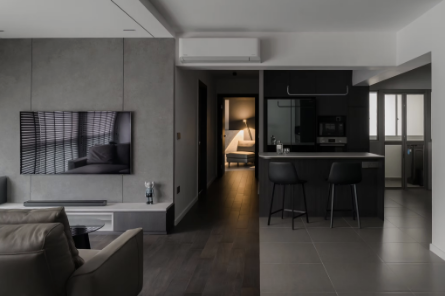
Modern Contemporary Living Room Design by Key Concept
Modern Contemporary continues to be the most common interior design theme in Singapore, and its popularity shows no signs of slowing down in 2025 and 2026. This style appeals to a wide range of homeowners because it is adaptable, neutral, and suitable for various property types from BTO flats to condominiums.
Rather than being a fixed style, Modern Contemporary evolves subtly over time. It incorporates current design elements while maintaining a clean, understated foundation. This flexibility makes it particularly attractive to homeowners who want a home that feels modern without being trend-dependent.
In Singapore’s urban context, where space is limited, Modern Contemporary designs often focus on efficient layouts, smart storage solutions, and uncluttered living spaces. These qualities make daily living easier while also preserving a sense of openness.
Key Characteristics
- Neutral colour palettes that create a bright, airy feel
- Clean lines with minimal ornamentation
- Built-in carpentry that maximises storage without overwhelming the space
- Subtle textures rather than bold patterns
- Layered lighting for functionality and ambience
Who This Trend Is For
- Urban dwellers and small space owners
- Trend-conscious homeowners looking for a balance of comfort, functionality, and current style
- Function-oriented individuals
- Families seeking a long-lasting design
One common misconception is that Modern Contemporary homes are “boring” or lack personality. In reality, the success of this style depends heavily on good planning and thoughtful detailing. When executed well, it provides a calm, versatile base that can evolve as the homeowner’s needs change.
2. Japandi: A Calm Blend of Minimalism and Warmth
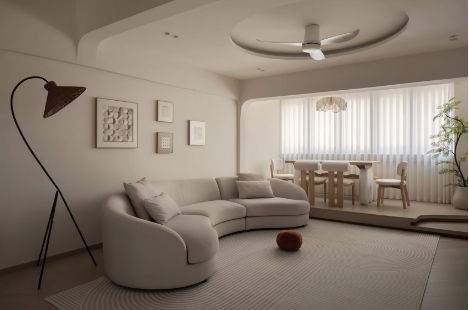
Japandi Interior Design by Key Concept
Japandi has steadily grown in popularity in Singapore over the past few years, and it is now firmly established as one of the leading design themes for 2025–2026. Combining Japanese minimalism with Scandinavian functionality, Japandi appeals to homeowners who value simplicity, comfort, and intentional living.
In a fast-paced city like Singapore, many homeowners are seeking homes that feel restful rather than overstimulating. Japandi responds to this need by emphasising natural materials, soft colours, and clutter-free spaces that promote calm and balance.
Unlike purely minimalist styles, Japandi does not feel cold or stark. Instead, it introduces warmth through textures, muted tones, and carefully chosen furnishings. Every element has a purpose, and excess decoration is deliberately avoided.
Key Characteristics
- Natural wood tones and soft neutral colours
- Low-profile furniture and clean silhouettes
- Emphasis on texture over ornamentation
- Thoughtfully concealed storage
- Balance between form and function
Who This Trend Is For
- Homeowners who prefer calm, uncluttered spaces
- Couples and small families
- Those who value comfort and mindfulness at home
- Homeowners willing to prioritise quality over quantity
While Japandi appears simple, it requires careful coordination to execute successfully. Poor material choices or inconsistent tones can quickly disrupt the harmony of the space. This is why working with an interior designer who understands restraint and balance is especially important for this style.
3. Modern Luxury (Quiet Luxury): Understated Elegance That Lasts
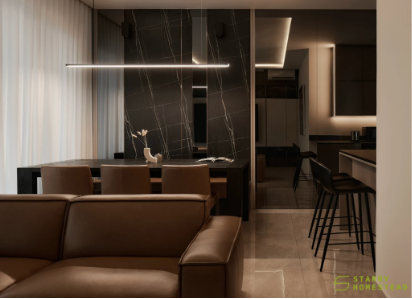
Modern Luxury Interior Design by Starry Homestead
Modern Luxury has evolved significantly in recent years. For 2025–2026, the trend has shifted away from flashy finishes and overt opulence towards what is now commonly referred to as “Quiet Luxury.”
In Singapore, this design approach resonates with homeowners who want their homes to feel refined without appearing excessive. Rather than focusing on bold statements, Quiet Luxury emphasises craftsmanship, material quality, and seamless detailing.
This style is often seen in condominiums and larger resale homes, where homeowners have the space to express subtle elegance. However, it can also be adapted to smaller homes when applied selectively.
Key Characteristics
- Muted, sophisticated colour palettes
- Seamless carpentry and clean transitions
- Textured materials such as stone, glass, and fabric
- Soft, indirect lighting for a hotel-like ambience
- Minimalist décor with a focus on quality
Who This Trend Is For
- Homeowners upgrading their lifestyle
- Condo owners and larger households
- Those planning long-term stays
- Homeowners who appreciate understated elegance
Quiet Luxury requires strong attention to detail. When done poorly, it can feel underwhelming or inconsistent. When done well, it creates a home that feels timeless, comfortable, and effortlessly polished.
Choosing the Right Design Theme for Your Home
Selecting an interior design theme should never be about copying what others are doing. Instead, homeowners should consider how the design supports their daily routines, long-term plans, and personal preferences.
Before committing to a theme, it’s important to reflect on how you use your space, who lives in the home, and what matters most to you. A design that looks great online may not work well in real life if it doesn’t align with your lifestyle.
Trends Should Serve You, Not the Other Way Around
Interior design trends for 2025–2026 in Singapore reflect a growing maturity among homeowners. The focus is no longer just on what looks good today, but on what continues to work well over time.
Modern Contemporary, Japandi, and Quiet Luxury each offer distinct benefits but the best choice is always the one that fits your lifestyle, priorities, and long-term plans.
With proper planning, the right guidance, and a trusted interior designer, your home can be both beautiful and practical no matter which trend you choose.
Bridging the Trust Gap in Interior Design
One of the biggest challenges homeowners face in Singapore is knowing which interior designer to trust. With so many options available, it can be difficult to determine who genuinely understands your needs and who is simply selling a concept.
Misaligned expectations, unclear quotations, and poor communication often lead to renovation disputes and dissatisfaction. This trust gap is one of the key reasons homeowners feel stressed during renovation.
Platforms like Home Market aim to address this by helping homeowners meet vetted, reliable interior designers and by providing educational resources that empower homeowners to ask the right questions before committing.